
Top 3 reasons why successfull early career researchers risk delay and consider dropping out
The early career phase is a fragile, precarious time in the life of an academic. I am talking specifically about the second half of the PhD period through a postdoc period, up to and including the start of an assistant professorship. It has been said many times that those who consider to opt out of the academic system are more often than not the most talented researchers rather than ‘misfits’ or those who after all appear to lack the ability (e.g. 3 myths about leaving the academy). What, then, causes these talented researchers, who appear to be doing great, to consider quitting academia?
 Evidence based
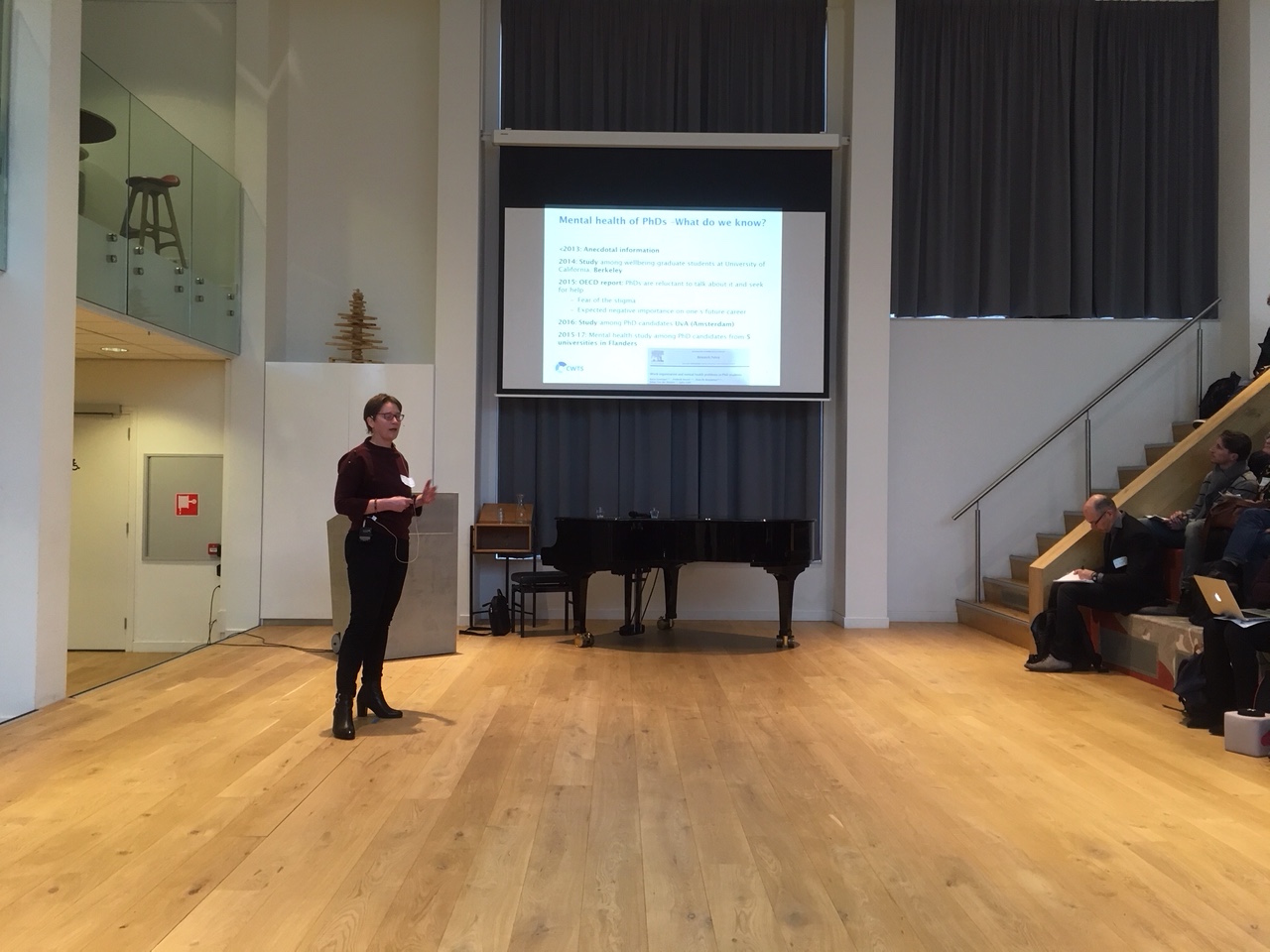
Below you find the top 3 factors that cause highly successful, young academics to experience delay in or risk dropping out of their PhD research, their postdoc project, or their job as an academic lecturer. This top 3 is evidence based both in scientific research and my professional experience as a coach for academics. In identifying these factors, I combine my coaching experience with what I learned from the many conversations I had with experts and participants of a symposium organized in December by the Dutch Centre of Expertise for Doctoral Education at Wageningen University. At this occasion, Gab van Winkel (WUR) presented data on the delay and drop out of PhD candidates in general in the Netherlands. Paula Meesters (PhD psychologist TU Delft) discussed the influence of personal issues on the PhD success of candidates. Inge van der Weijden (CWTS Leiden) addressed her research on stress and mental wellbeing of PhD candidates. It is clear that these issues are not limited to the Dutch situation, but apply internationally (cf. Levecque et al, 2017 and Castelló et al, 2017). Even if most of this research focusses on the PhD phase, I dare to hypothesize that the reasons why talented PhD candidates in particular risk dropping out of or seriously delaying their research projects remain equally influential in later stages of the early academic career, i.e. the postdoctoral, tenure track, and assistant professor phases.
- Stress and balance
The number one risk factor is stress related to high work pressure and skewed work life balance. This is actually a two-sided story. The workload at universities is unacceptably high, especially as regards teaching, but also regarding the pressure to produce desirable output (high impact publications, prestigous grants). This is a known problem that has become more visible since academics became more vocal protesting the situation (unions have since started to collect information on work pressure at universities).
On the other hand, talented and ambitious academics are so B and develop such as strong drive for quality and perfection, that this forms a serious pitfall for them. Gab van Winkel’s research shows that 61% of the causes of delay in PhD projects is project related, 20% of which is due to PhD candidates’ own initiative (!) to do extra experiments and analyses. My professional experience confirms this pitfall of perseverance, persistance, and perfectionism for PhDs, postdocs and lecturers. As academics we need to learn how to keep our integrity while letting go of perfectionism.
 Add to this the career and grant pressure (you need to publish with impact if you want to stay in this game) and you have a dangerous mixture in hands. Since there is always room for improvement and more is seen as better, especially in terms of your publication record, most academics tend to spend all available time and energy on their work. Small wonder your personal relationships and private life suffer! You will not be the first or the only academic feeling depressed, anxious, sleep deprived for worry, and not on top of your troubles. And beware: research shows that personal issues like these are responsible for the longer delays in completing research projects. As commendable as it is to strive for thorough quality, as an ambitious early career researcher you need to take up personal leadership to keep a healthy balance in your work and life. By this I mean that, for example, you need to learn how to take charge of your hypercritical brain and how to be more effective without working harder. It starts with talking about your stress and mental troubles and seeking help to improve your well-being both on short and on longer term.
- Social support
Second place of risk factors can be summarized under the heading of social environment. Academic talents reported to experience a lack of social support and integration into the scientific community. This can concern the relationship with their supervisors, the department, the university, or the wider academic community. As such they feel isolated, unsupported, and unappreciated or undervalued. The influence of these factors increases dramatically in the case of international and first generation academics, who lack background knowledge about the informal rules of the system and unspoken expectations, have to deal with cultural differences, and miss nearby social support in the private sphere. I have addressed the effects of these social factors here and here. The best way to mitigate this issue is to participate in mentoring or mastermind groups.
- Uncertain perspectives
Third come career perspectives and long term uncertainty. The more these talents have invested in their academic success, the greater their dependence on the academic system, and the greater the influence of a lack of work prospects on their motivation, wellbeing and quality of work. This is superbly and painfully illustrated in this story of Ali Colleen Neff. It is not hard to see how this third factor acts as a catalyst on the previous two (consider this example). Long term career uncertainty feeds directly into your anxiety and stress, causing you to unbalance even more and your social support to cave in even further. My first advice is to decrease your career stress by thinking about the next phase early. I am not saying you should decide early whether or not to quit academia. I am saying you need the time to make this hard choice. Plus, how long can you put your life and family plans (e.g. partner, children) on hold?
P.S. Are you a smart and ambitious academic and do you want help growing your career while steering clear of these top 3 risk factors? Apply for a Right Question Session. This is a free, 30 minute talk with me in which we discuss together how you can grow and how I can help you with that.

Ben je of ken je een promovendus die besloten heeft te stoppen met het promotietraject? Dan zou je een grote hulp zijn bij dit onderzoek:
Voor mijn masterscriptie aan de VU Amsterdam, begeleid door Christine Teelken en Inge van der Weijden, doe ik (Merel Harlaar) onderzoek naar de beweegredenen van promovendi om te stoppen met het promotietraject en welk verschil de begeleider hierin kan maken. Ik ben dan ook op zoek naar gestopte promovendi die ik kan interviewen om hier meer over te weten te komen. Promovendi die overwegen om te stoppen vallen hier niet onder. Bent u of kent u iemand die mij hierbij zou kunnen helpen en/of ik mag interviewen (ongeveer 45 min, periode: maart)? Dan kunt u contact opnemen met mijn begeleider Inge van der Weijden: [email protected]